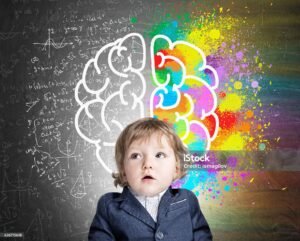
Brain and Body Development of Children: Foundation for Lifelong Learning
The brain and body development of children forms the foundation for their entire lives. These crucial early years set the stage not only for health and physical growth but also for cognitive, emotional, and social skills necessary to thrive in school and beyond. As parents explore options like education & tuition, understanding these fundamental growth patterns is essential for making the right choices for their children’s future.
How Brain Development Unfolds in Childhood The Miracle of Early Growth
By age 5, a child’s brain is already 90% developed. This extraordinary pace illustrates why the first years are so precious—a period when every experience, interaction, and lesson can shape brain architecture for life.
Key Stages of Cognitive Development
Jean Piaget, one of the most influential psychologists, outlined four critical phases:
- Sensorimotor Stage (0–2 years): Babies explore with their senses and basic movements. Activities like touching, grabbing, and listening help neurons to connect and lay the basics for later learning
- Preoperational Stage (2–7 years): Children begin to use language, symbols, and imagination, but thinking is still concrete and self-focused. Pretend play takes off—a sign of healthy symbolic thinking
By the end of the preoperational stage, most of the physical structure of the brain is formed, and major neural connections are in place
Body Development: Physical Milestones in the Early Years Infancy Through Kindergarten
Physical growth is closely tied to brain development:
- Infancy (0–12 months): Babies achieve milestones like sitting, crawling, and standing. Fine motor skills emerge—such as grasping objects and pointing.
- Toddlerhood (1–3 years): Walking, running, and climbing come next. Children refine coordination, balance, and muscle control.
- Preschool (3–5 years): Jumping, skipping, and drawing highlight new strength and dexterity.
Healthy body development is essential not just for movement, but also for exploring the world—an essential driver of sensory and cognitive growth.
Experience Shapes the Brain: Why Early Years Matter The Power of Positive Interactions
Children’s brains form over 1 million new neural connections every second in their earliest years. But these connections depend on stimulating experiences: talking, reading, singing, and playing. Responsive caregiving, where loving adults interact and answer a child’s cues, directly boosts brain growth.
Role of Environment and Education
- Nutrition: Proper diet (including nutrients like folic acid) supports both brain and body growth. Malnutrition or exposure to toxins can hinder normal development
- Engaging Environment: Safe, enriched spaces encourage children to explore, ask questions, and form new connections—all vital for intellectual curiosity.
- Early Learning through Education & Tuitions: High-quality preschools and educational activities reinforce brain and cognitive growth, providing structured opportunities for children to learn together, solve problems, and build social skills. Supplementary tuitions can further reinforce difficult concepts, laying a stronger cognitive foundation for years to come.
How Education & Tuitions Shape Child Development The Classroom’s Role in Brain and Body Growth
High-quality Education & Tuitions support both cognitive and physical development:
- Structured Learning: Class environments introduce children to routines, peer interactions, and age-appropriate challenges.
- Physical Activities: Schools and tuitions often include sports, dance, and play-based activities—vital for muscle and bone development.
- Cognitive Challenges: Problem-solving exercises, storytelling, and group projects stimulate higher-order thinking and emotional regulation.
Personalized Support
Tuitions and educational support can provide:
- Additional Practice: Reinforcing concepts children find difficult, which helps solidify neural pathways.
- Custom Learning Plans: Tailored instruction to address unique strengths and weaknesses.
- Building Confidence: Achievement and positive feedback in a small group help bolster self-esteem, motivation, and resilience.
Crucial Domains of Development Communication and Language
From babbling and first words to complex sentences, language skills explode in the first five years. These are closely linked with emotional regulation, social skills, and success in school. Education & Tuitions focusing on reading, storytelling, and vocabulary games make crucial contributions to these abilities.
Social-Emotional Growth
The ability to make friends, cope with frustration, and adapt to new situations depends on early brain development. Group activities in educational settings and tuitions teach cooperation, empathy, and self-control—all essential for future success.
Cognitive Skills: Foundation for Life-Long Learning
Cognitive skills such as attention, memory, and reasoning, developed through games, puzzles, and structured lessons in both formal education and tuitions, provide children with the tools to learn independently and solve complex problems later in life
Physical Growth: Movement and Exploration
Children who are active—through play, dance, and sports—develop better coordination, strength, and even improved attention spans. Physical activity complements brain development, helping children focus and process information more effectively.
Latest Trends: Popular Google Keywords in Child Development and Education
Educational content that includes popular search terms helps more families access high-quality information and resources. In 2025, trending Google keywords include:
- Early childhood development
- Education & Tuitions
- Cognitive development milestones
- Effective learning at home
- Child brain growth activities
- Holistic development for children
- Best tuitions for kids near me
Incorporating these keywords into blog posts and school resources ensures parents can easily find trusted advice on nurturing their child’s brain and body during the most critical windows of growth.
Fostering Development: Tips for Parents and Caregivers
At Home
- Talk, read, and sing to your child daily.
- Encourage imaginative play with toys, stories, and games.
- Ensure healthy foods and adequate sleep.
- Limit screen time, especially for very young children.
Through Education & Tuition
- Choose age-appropriate learning activities and ensure tutors use creative, play-based methods for younger children.
- Select programs that balance academics and physical activities.
- Monitor progress and stay connected with teachers to encourage holistic growth—brain, body, and heart.
Conclusion
Understanding the interconnectedness of brain and body development in children empowers families to create rich, nurturing environments—at home and through Education & Tuitions. By providing positive experiences in the early years, we lay the strongest possible foundation for future health, happiness, and achievement.


